
Launch Log
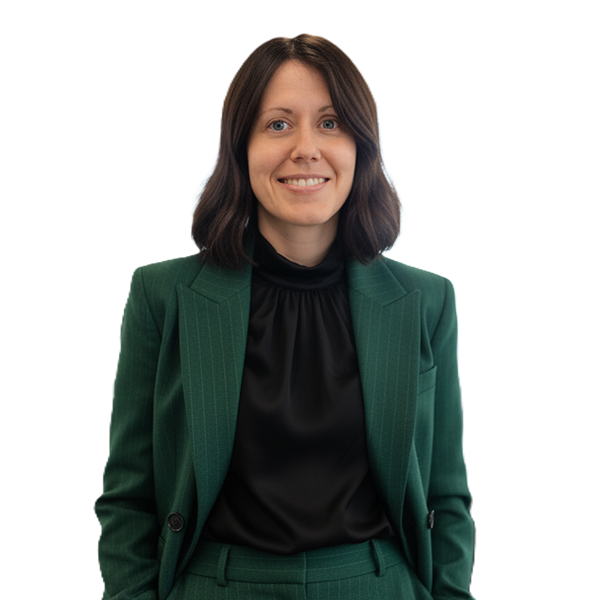
The name is a nod to the .tiff file signature. The orbit? That's how I work — creative loops, constant iteration, motion with purpose.
Who I Am
I'm Tiffany, the designer and developer behind orbit.tiff — a full-stack creative brand built on loops, iteration, and motion.
orbit.tiff started as a logo: a wordmark, a green “ready” dot, and a nebula-purple orbit looping behind it. But it grew into a lens for how I work — creative cycles, automation, and constant iteration until something clicks.
I'm a full-stack designer/developer focused on building web experiences that are intuitive, accessible, and friendly to neurodivergent minds. I love turning complex ideas into tools people actually enjoy using.
I live and work in Austin's space tech corridor — where aerospace meets design — and that intersection shows up in everything I build. Outside of code, you'll find me hiking, traveling, and reading.
My Approach
Every project starts with three questions:
- What is the cognitive cost? I measure complexity not just in lines of code, but in the mental load placed on users. Simpler is almost always better.
- Who might be excluded? Accessibility isn't a feature—it's a foundation. I test with screen readers, keyboard navigation, and real users across the neurodivergent spectrum.
- Can this be more structured? Patterns, consistency, and predictability reduce uncertainty. I favor design systems over ad-hoc solutions.
Core Values
- Clarity over cleverness. Elegant solutions don't need to show off. The best interfaces feel obvious.
- Structure reduces anxiety. Predictable navigation, generous spacing, and clear visual hierarchy create safety.
- Motion should be intentional. Animation enhances meaning or it creates distraction. There is no in-between.
- Neurodiversity is design expertise. My lived experience informs every interaction pattern, every spacing decision, every word I write.
Skills & Tools
Front-End
Design
Back-End & CMS
Specializations
Why Neurodivergence Matters
I am a neurodivergent. This isn't a footnote—it's a lens.
Neurodivergent people process information differently. We notice when interfaces create unnecessary friction. We feel the cost of poor contrast, chaotic layouts, and unpredictable interactions.
My neurodivergence makes me a better designer because I build for the edges first. When you design for cognitive accessibility, everyone benefits.